Pincio gardens · Nearby
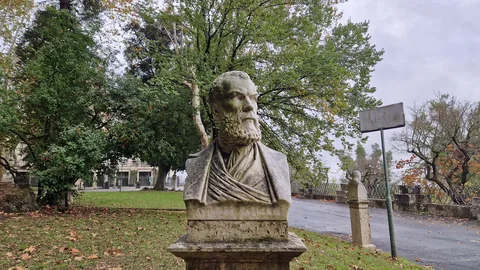
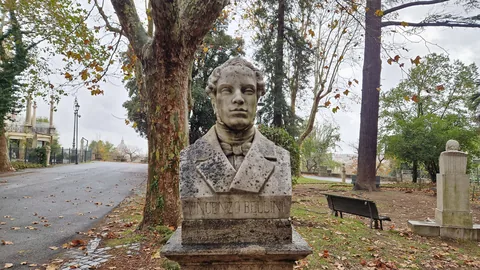
Vincenzo Bellini
Bellini shaped long vocal lines into dramatic expression in operas including Norma, La sonnambula, and I puritani.
Find on the mapRead aloud with your device’s voice.
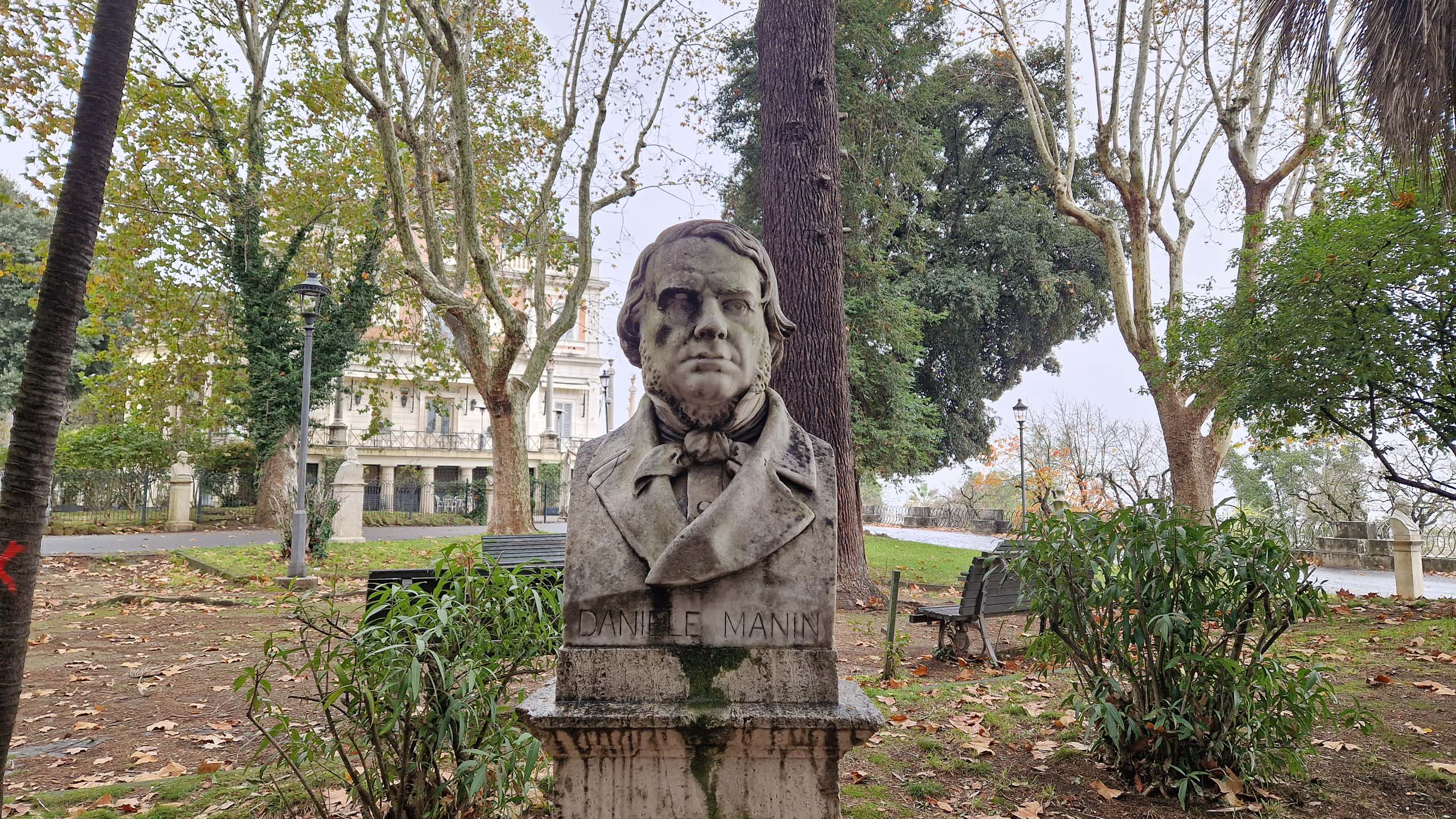
Daniele Manin became the political leader of Venice's revolution in 1848. Born in the city in 1804, he worked as a lawyer and supported opposition to Austrian rule. His release from prison during the uprising helped make him a public focus of the movement.
The new republic faced the practical demands of defense, finance, and diplomacy. Venice held out into 1849, but siege, hunger, and disease weakened resistance. After surrender to Austria, Manin left for exile in Paris.
There he reconsidered how Italian independence might be achieved. Though associated with republican government, he came to support cooperation with the Savoy monarchy if it could deliver national unity. This position helped prepare the ground for the Italian National Society and separated him from more uncompromising republican strategies.
Manin died in 1857. His career shows that the political choices of the Risorgimento were not fixed identities: the experience of defeat could lead a republican leader to accept a monarchy as the instrument of a different, shared objective.
Pincio gardens · Nearby
Bellini shaped long vocal lines into dramatic expression in operas including Norma, La sonnambula, and I puritani.
Find on the mapPincio gardens · Nearby
Saliceti helped draft the Roman Republic’s constitution of 1849 before exile led him toward a different plan for southern Italy.
Find on the mapPincio gardens · Nearby
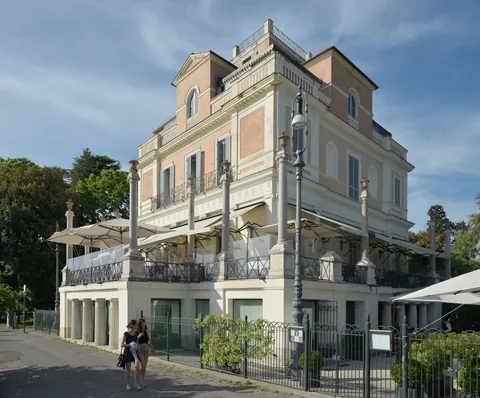
Giuseppe Valadier’s neoclassical café building connects the Pincio’s public promenade with Rome’s culture of social meeting places.
Find on the mapPincio gardens · 27 m away
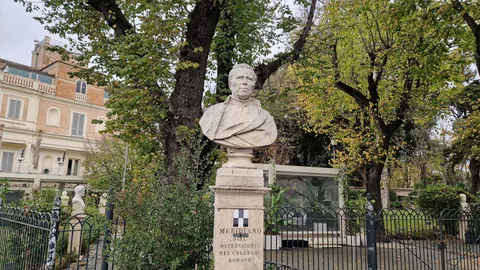
Secchi studied the physical nature of stars through their spectra and helped establish astrophysics from an observatory in Rome.
Find on the map