Pincio gardens · Nearby
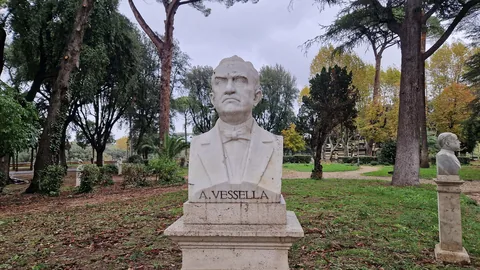
Alessandro Vessella
Vessella directed Rome’s municipal band and used arrangements and public concerts to bring a broad musical repertoire to the city.
Find on the mapRead aloud with your device’s voice.
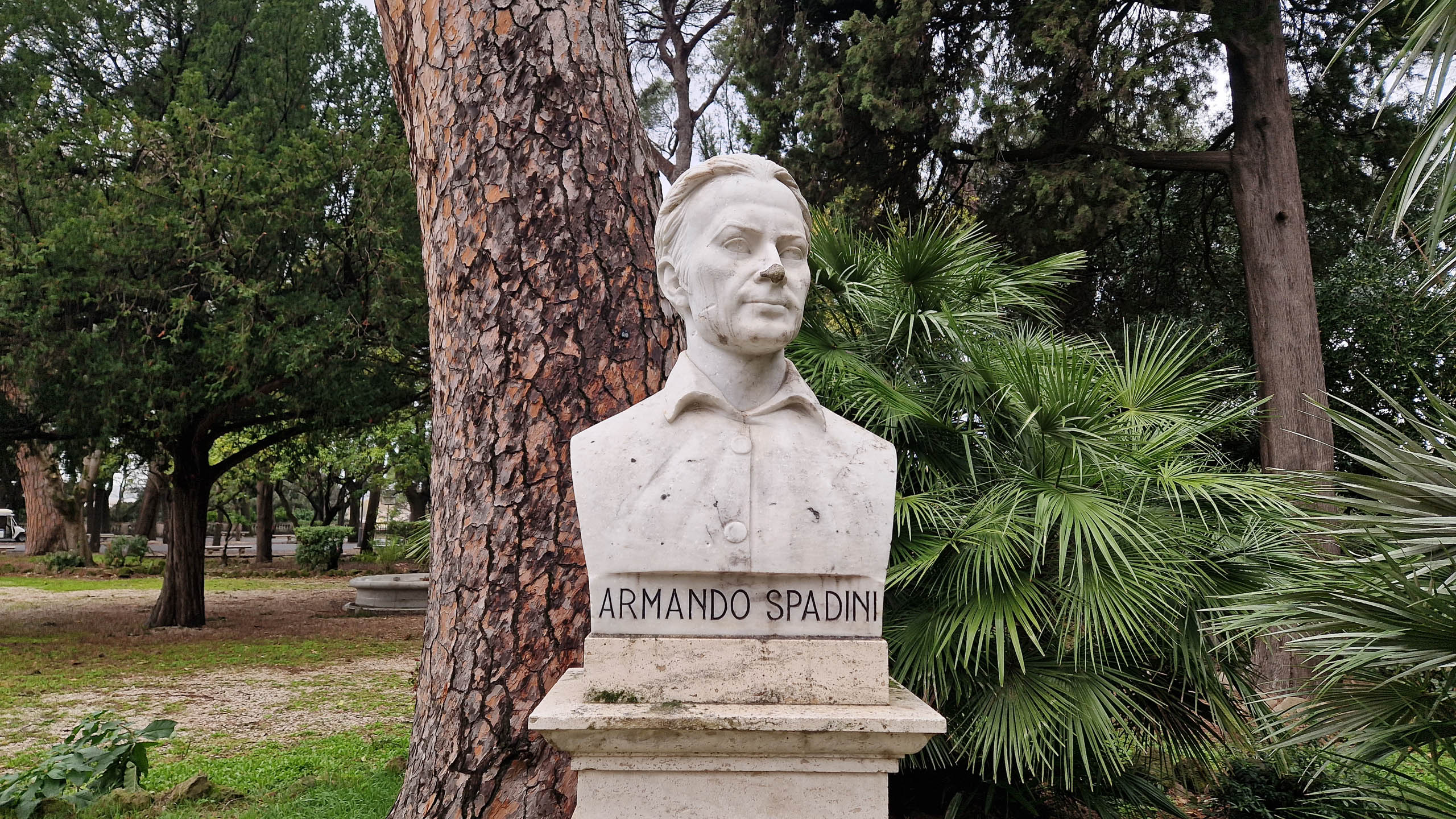
Armando Spadini painted the Pincio as well as becoming one of its commemorated figures. His canvas Il Pincio, now in Trieste’s Museo Revoltella, dates from about 1910–1913. That connection gives his portrait in the gardens an unusually local subject: the park was part of the world he observed as a painter.
Born in 1883, Spadini trained in Florence and settled in Rome in 1910. His wife and children became recurring subjects. In paintings of domestic life, attention falls on bodies sharing a space, changing light, and the weight of color. The Uffizi’s account of Confidences explains why the label “Italian Renoir” is insufficient: critics have also related his work to Italian painting of the sixteenth and seventeenth centuries.
Spadini died in Rome in 1925. His short career belongs to the debates about what modern Italian painting could retain from the past. A family scene may look informal while its composition remains carefully organized. That tension between an apparently passing moment and a constructed image is a useful starting point for looking at his work.
Pincio gardens · Nearby
Vessella directed Rome’s municipal band and used arrangements and public concerts to bring a broad musical repertoire to the city.
Find on the mapPincio gardens · Nearby
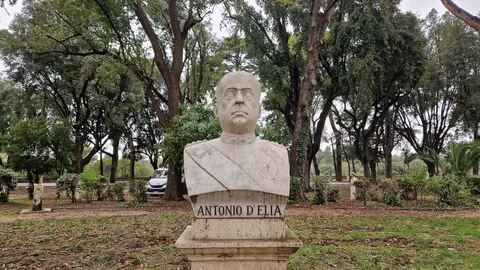
D’Elia directed civic and military bands and wrote music and studies that drew on his training as a clarinetist.
Find on the mapPincio gardens · Nearby
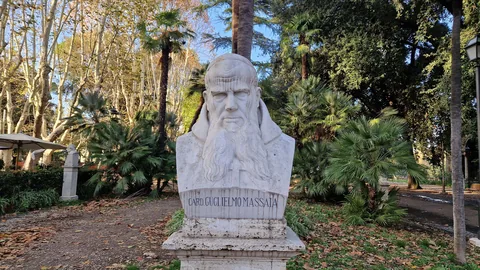
A Capuchin missionary in Ethiopia, Massaia founded missions, advised Menelik, and recorded his experiences in extensive memoirs.
Find on the mapPincio gardens · Nearby
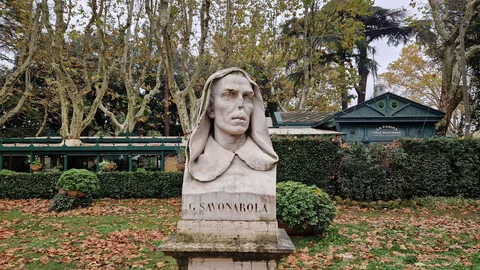
Savonarola’s preaching joined religious reform to Florentine politics before his conflict with papal authority ended in execution in 1498.
Find on the map