Pincio gardens · Nearby
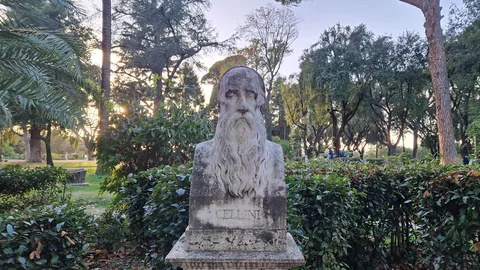
Benvenuto Cellini
Cellini made goldsmithing and sculpture serve princely display, then cast his own turbulent career as the subject of an autobiography.
Find on the mapVoice changes restart the current paragraph.
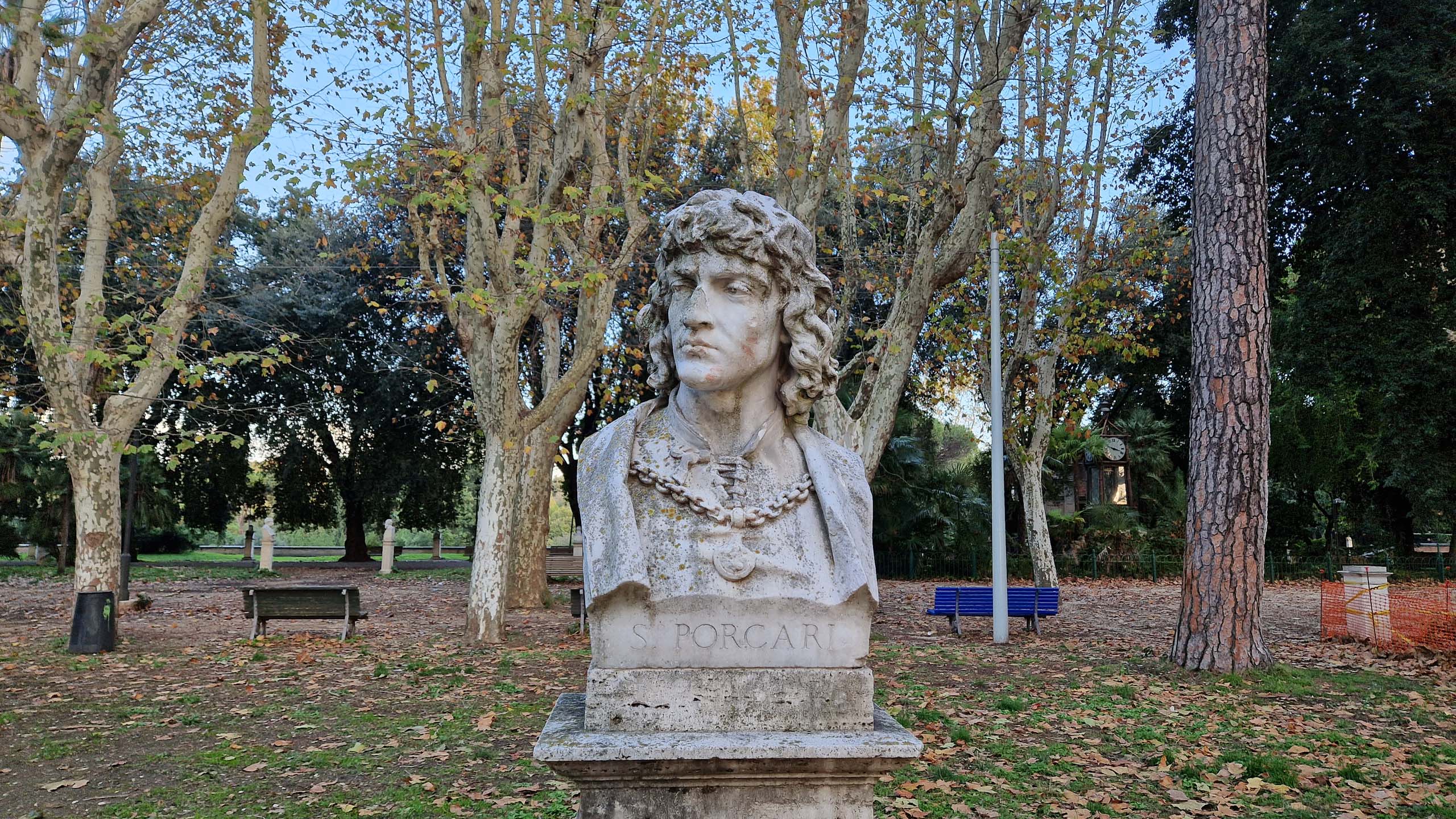
Stefano Porcari wanted ancient Roman ideals to become a program for his own city. A humanist and accomplished speaker, he held civic offices elsewhere in Italy before challenging papal government in Rome. His political imagination drew on classical history and the example of Cola di Rienzo.
After the death of Pope Eugene IV in 1447, Porcari tried to encourage resistance to clerical rule. His activities brought restrictions and eventual confinement in Bologna under Nicholas V. He nevertheless developed a conspiracy and secretly returned to Rome, hoping to rally supporters around a new civic government.
The plot was discovered before it could succeed. Porcari was captured and hanged in 1453. His aim was to confine the pope to spiritual authority, but the coalition behind the scheme combined republican language with varied personal and political interests.
Later opponents of papal temporal power found an ancestor in him. The bust belongs to that long argument over who should govern Rome: a religious sovereign, the city's own civic institutions, or a wider Italian state.
Pincio gardens · Nearby
Cellini made goldsmithing and sculpture serve princely display, then cast his own turbulent career as the subject of an autobiography.
Find on the mapPincio gardens · Nearby
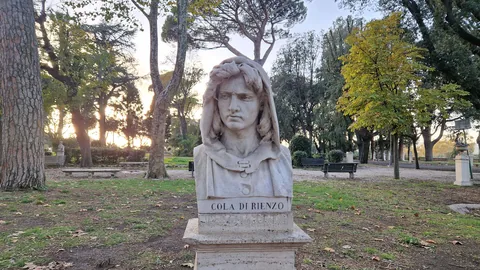
A Roman notary who became tribune in 1347, Cola di Rienzo used the language of ancient Rome to challenge the city’s barons.
Find on the mapPincio gardens · Nearby
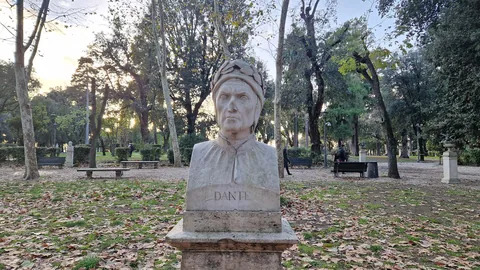
An exiled Florentine who made the afterlife a setting for arguments about language, power, love, and justice.
Find on the mapPincio gardens · Nearby
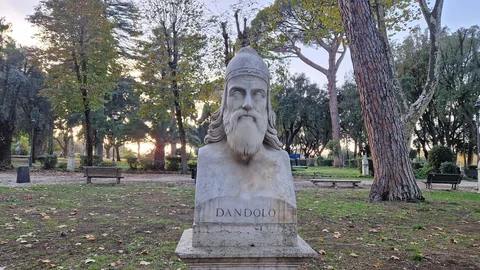
Venice’s doge during the Fourth Crusade, Dandolo helped direct the expedition that captured and sacked Constantinople in 1204.
Find on the map