Pincio gardens · Nearby
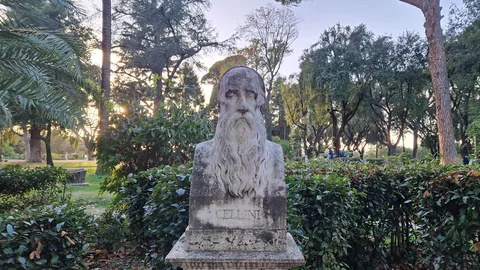
Benvenuto Cellini
Cellini made goldsmithing and sculpture serve princely display, then cast his own turbulent career as the subject of an autobiography.
Find on the mapRead aloud with your device’s voice.
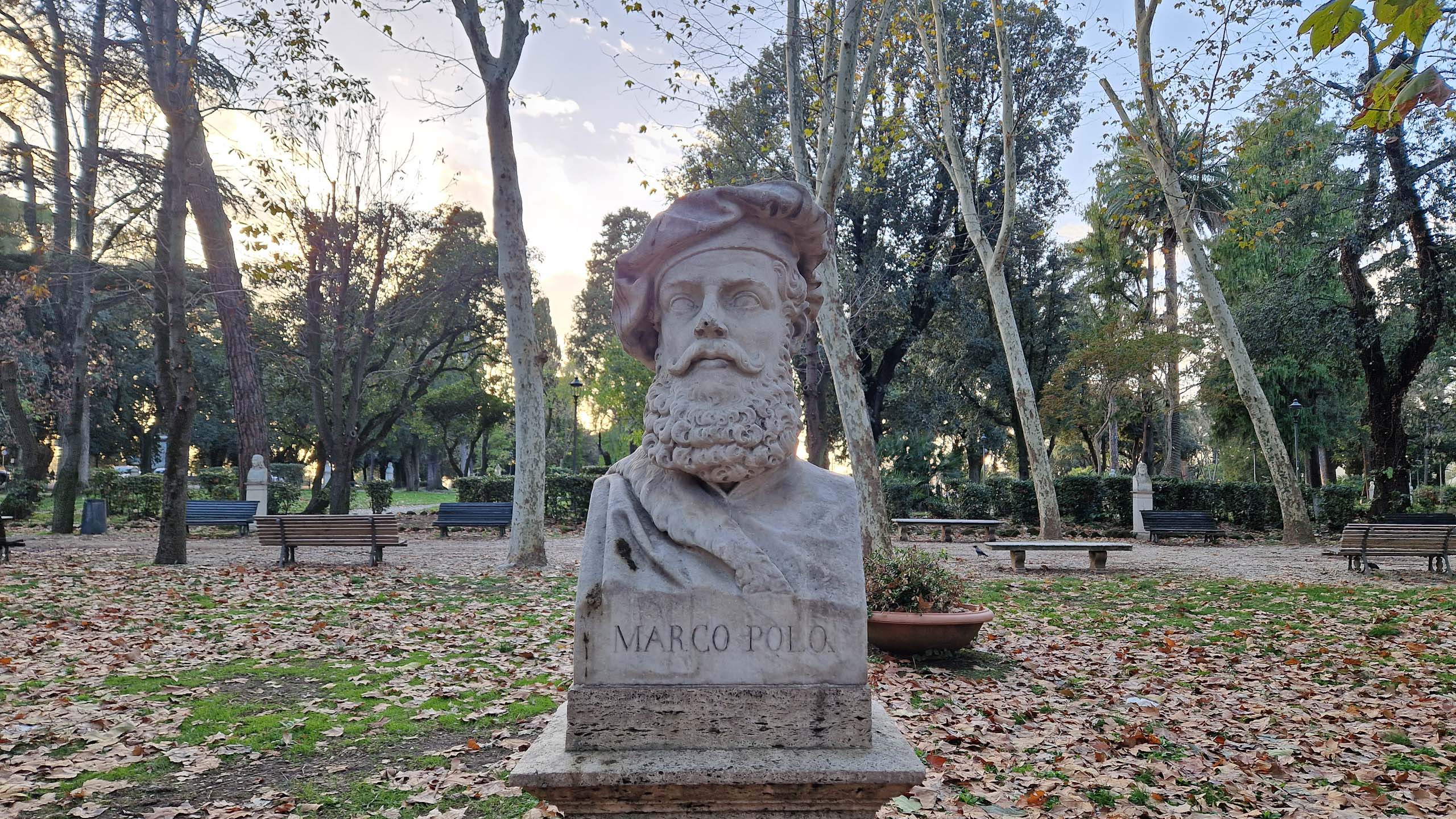
Marco Polo's fame rests on a book as much as on a journey. In 1271 the young Venetian left for Asia with his father, Niccolò, and uncle, Maffeo. Their travels brought them into the world of Kublai Khan and the vast networks of the Mongol Empire.
The account describes cities, trade, money, religious practices, and court life with a merchant's interest in how places worked. Some material came from Polo's experience; other passages report information gathered from people he met. His description of Japan, for example, does not establish that he went there.
After returning to Venice, Polo was imprisoned during conflict with Genoa. There he worked with Rustichello of Pisa, a writer of romances, on the text now known as Il Milione or The Travels. Different manuscript versions preserve a book shaped by narration, copying, translation, and revision rather than a single untouched travel diary.
Polo died in 1324. His account widened European knowledge of Asia, but its most interesting questions concern evidence: which details could a traveler observe, which had to be learned from others, and how did a writer make that distant world credible to readers?
Pincio gardens · Nearby
Cellini made goldsmithing and sculpture serve princely display, then cast his own turbulent career as the subject of an autobiography.
Find on the mapPincio gardens · Nearby
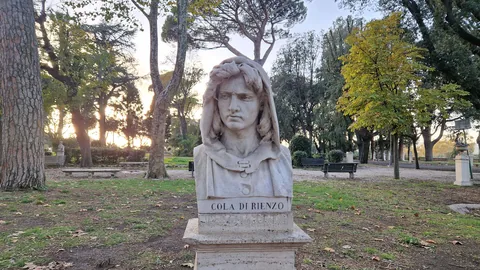
A Roman notary who became tribune in 1347, Cola di Rienzo used the language of ancient Rome to challenge the city’s barons.
Find on the mapPincio gardens · Nearby
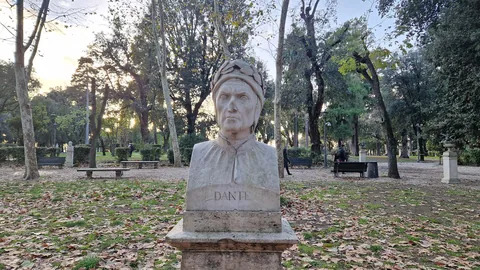
An exiled Florentine who made the afterlife a setting for arguments about language, power, love, and justice.
Find on the mapPincio gardens · Nearby
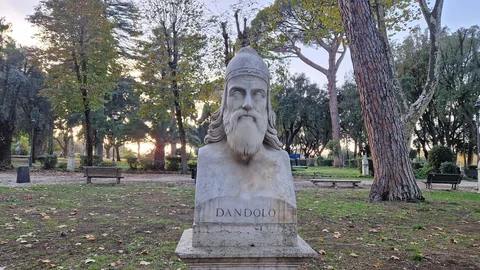
Venice’s doge during the Fourth Crusade, Dandolo helped direct the expedition that captured and sacked Constantinople in 1204.
Find on the map