Pincio gardens · Nearby
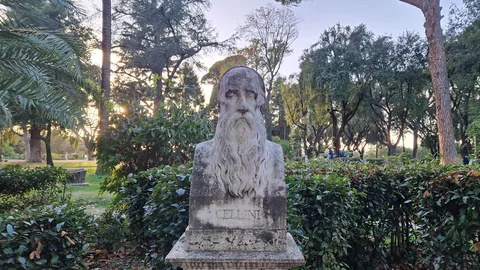
Benvenuto Cellini
Cellini made goldsmithing and sculpture serve princely display, then cast his own turbulent career as the subject of an autobiography.
Find on the mapRead aloud with your device’s voice.
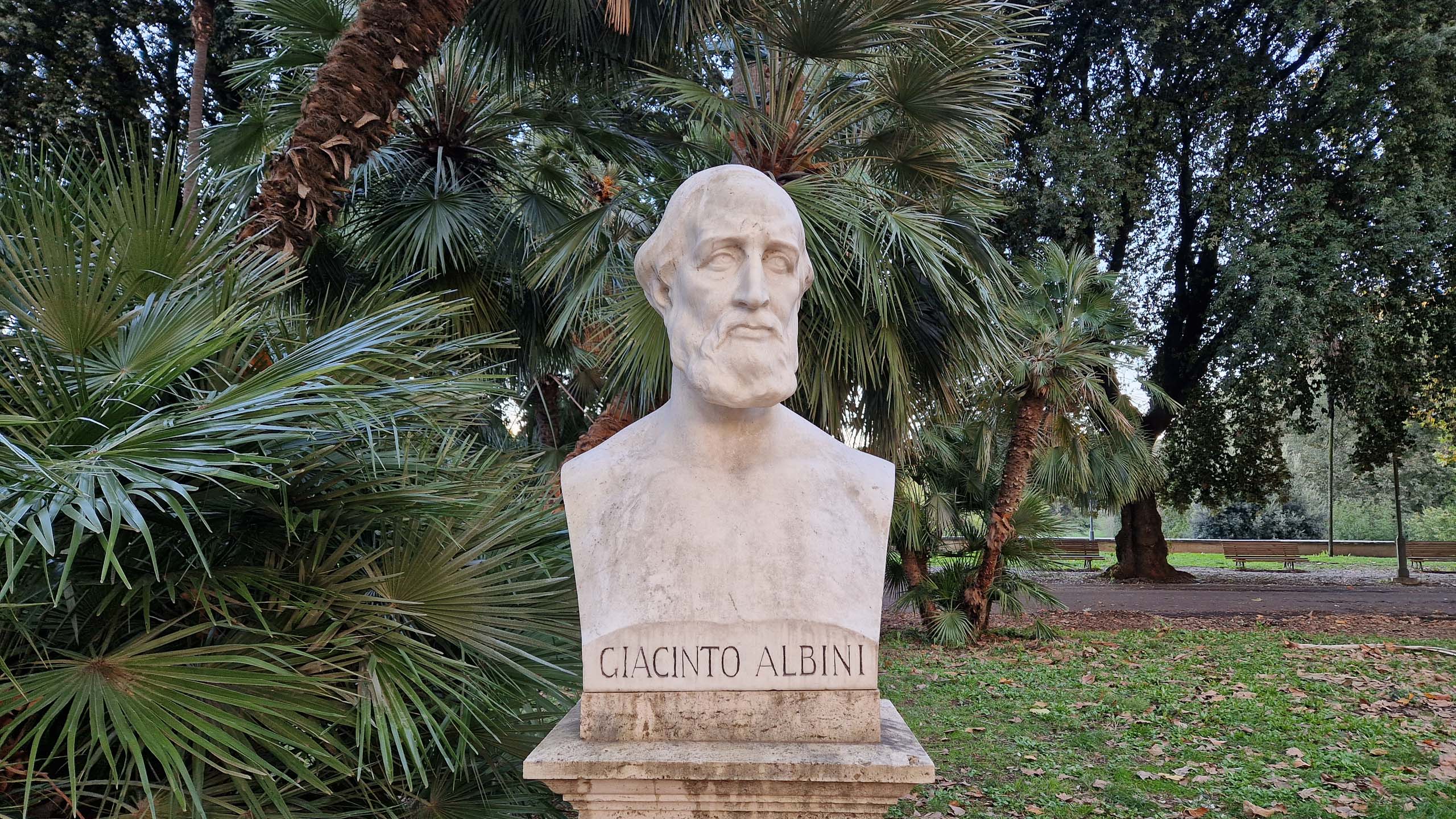
Giacinto Albini's part in Italian unification began with the work of organizing people across Basilicata. A lawyer and teacher born in 1821, he built contacts among opponents of Bourbon rule while moving between clandestine politics, local communities, and the competing strategies of the Risorgimento.
He had taken part in the upheavals of 1848 in Naples. During the following decade, police investigations, periods in hiding, and enforced changes of residence accompanied his political activity. By 1860 he was working with the moderate Committee of Order, whose aims did not always match those of the democratic activists alongside it.
In August 1860 Albini and Nicola Mignogna headed the provisional government formed during the Basilicata insurrection. Garibaldi subsequently appointed Albini governor. His brief administration replaced Bourbon officials and helped establish the new political order. Provincial appointments mattered alongside military victories.
Albini later held administrative and municipal offices and died in 1884. His biography gives the southern Risorgimento a local scale: networks, rival committees, and appointments mattered alongside the better-known march of Garibaldi's volunteers.
Pincio gardens · Nearby
Cellini made goldsmithing and sculpture serve princely display, then cast his own turbulent career as the subject of an autobiography.
Find on the mapPincio gardens · Nearby
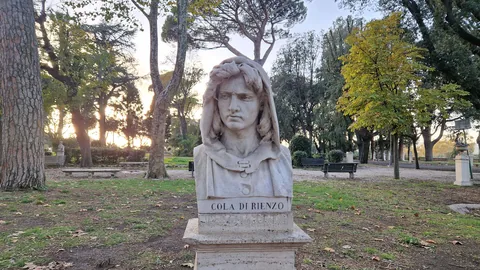
A Roman notary who became tribune in 1347, Cola di Rienzo used the language of ancient Rome to challenge the city’s barons.
Find on the mapPincio gardens · Nearby
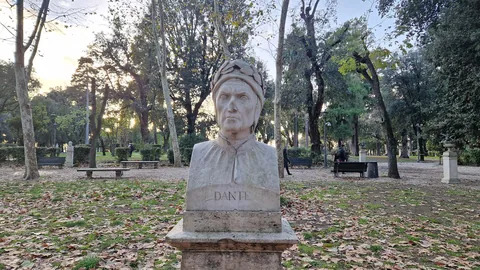
An exiled Florentine who made the afterlife a setting for arguments about language, power, love, and justice.
Find on the mapPincio gardens · Nearby
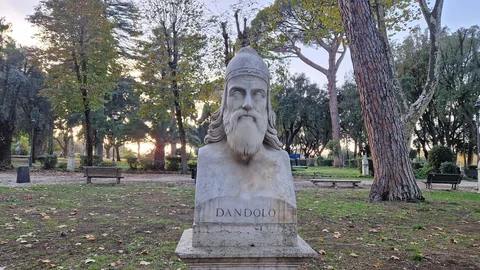
Venice’s doge during the Fourth Crusade, Dandolo helped direct the expedition that captured and sacked Constantinople in 1204.
Find on the map