Pincio gardens · Nearby
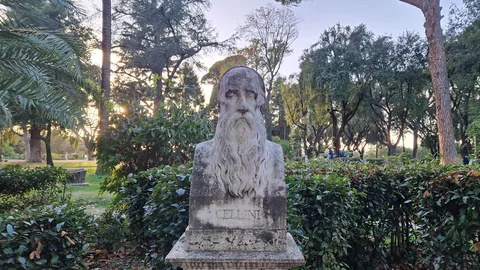
Benvenuto Cellini
Cellini made goldsmithing and sculpture serve princely display, then cast his own turbulent career as the subject of an autobiography.
Find on the mapVoice changes restart the current paragraph.
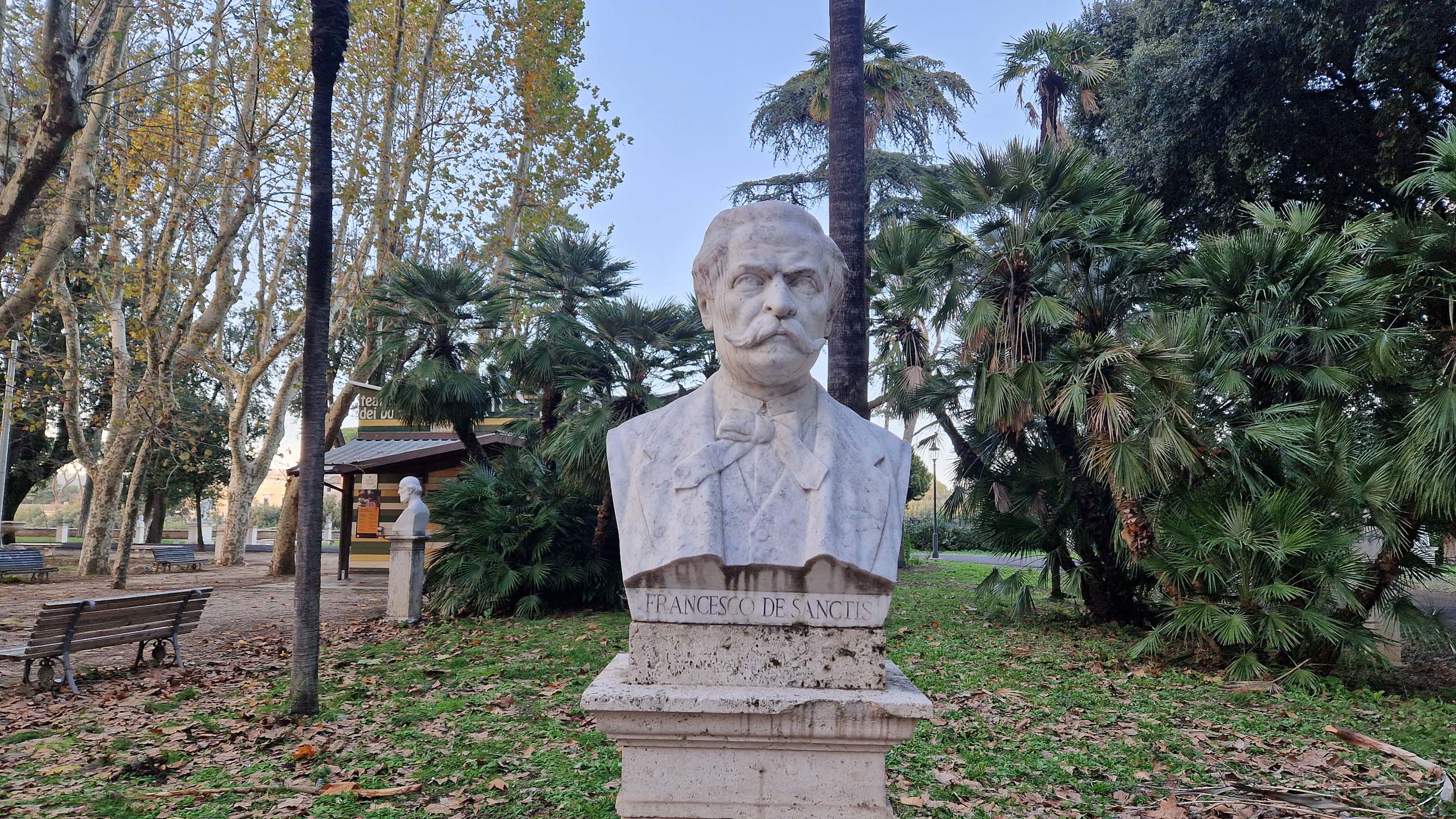
Francesco De Sanctis’s History of Italian Literature uses books to examine the life of a culture. Published in 1870 and 1871, it moves beyond arranging authors in chronological order. Literary form becomes evidence of how people understand themselves and the world in which they act.
Born in 1817 in the town now called Morra De Sanctis, he began as a teacher in the intellectual environment of Naples. Political involvement brought imprisonment and exile before his later service as minister of public education in unified Italy.
His critical method opposed judging a work only by whether it obeyed inherited rules. The relation between content and form had to be examined within the work itself. That did not remove historical judgment; it made the manner of expression part of the evidence.
The history he wrote is also a product of the period of national unification. Its powerful account of an Italian consciousness selects and orders the past from that position. Readers can value its close criticism while questioning the national narrative that connects the authors.
Pincio gardens · Nearby
Cellini made goldsmithing and sculpture serve princely display, then cast his own turbulent career as the subject of an autobiography.
Find on the mapPincio gardens · Nearby
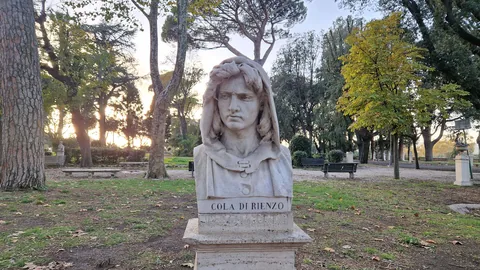
A Roman notary who became tribune in 1347, Cola di Rienzo used the language of ancient Rome to challenge the city’s barons.
Find on the mapPincio gardens · Nearby
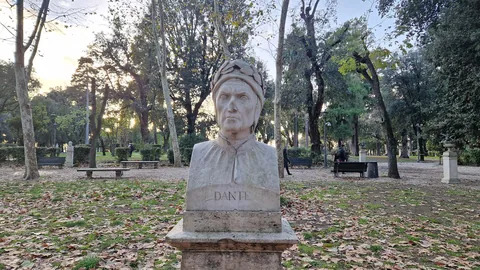
An exiled Florentine who made the afterlife a setting for arguments about language, power, love, and justice.
Find on the mapPincio gardens · Nearby
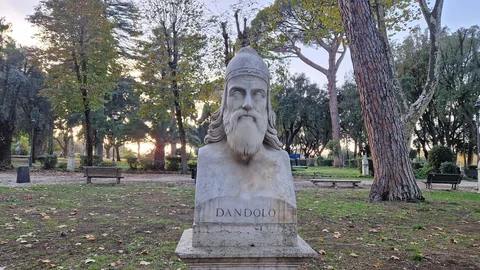
Venice’s doge during the Fourth Crusade, Dandolo helped direct the expedition that captured and sacked Constantinople in 1204.
Find on the map